
Terreno de Marinha Explained: Buying Beachfront Property on Federal Coastal Land in Bahia (2026)
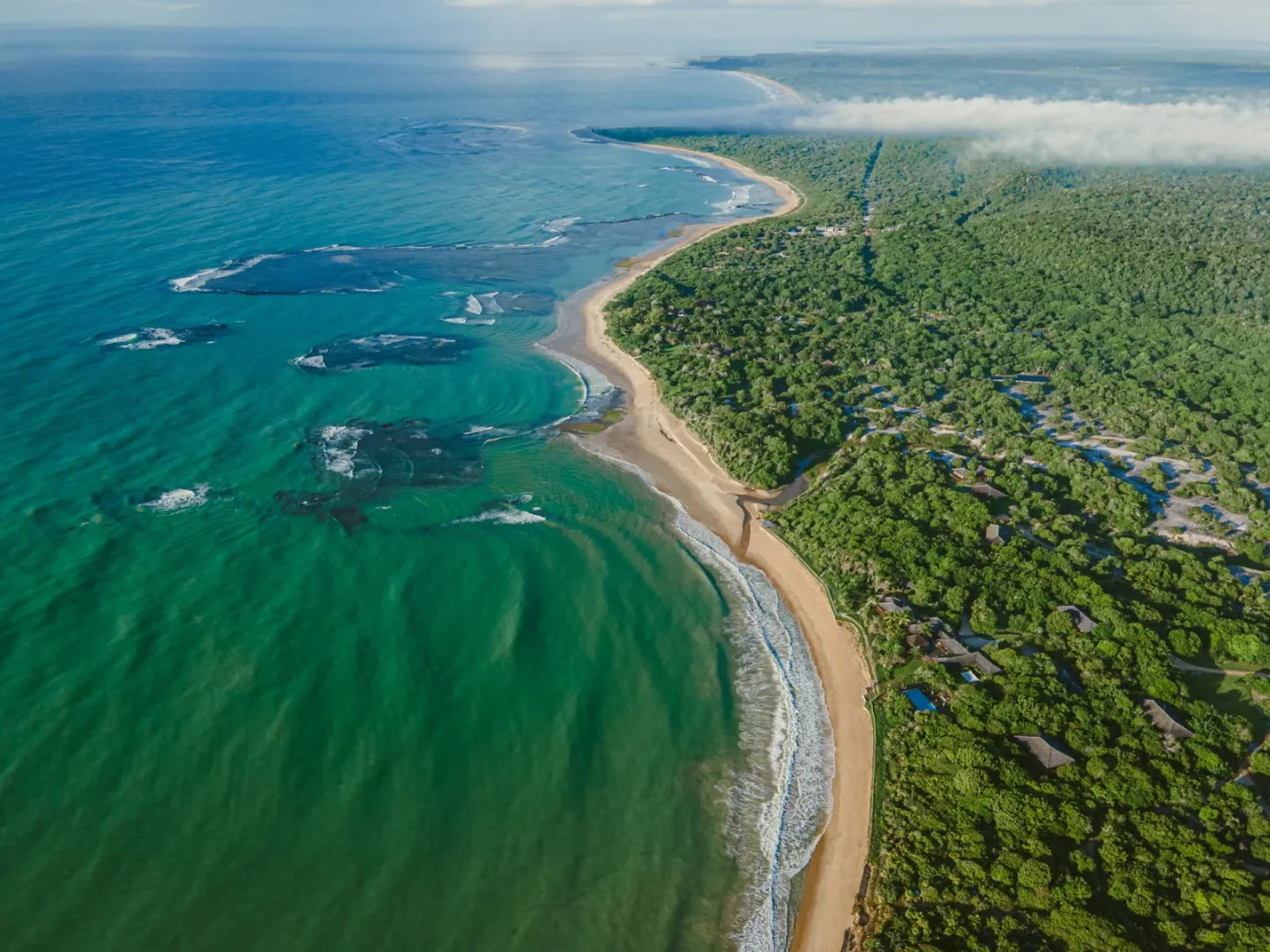
Short answer: Terreno de marinha is the strip of coast within 33 metres of the 1831 average high-tide line, and it belongs to the Brazilian federal government. Many beachfront properties in Bahia include some of it. You can buy them normally: you acquire the right to use the land, pay a yearly federal charge of 0.6% or 2% of the land value, and a 5% fee (laudêmio) is due on the land value each time the property is sold.
This guide explains what that means for buyers in Trancoso and South Bahia, and what to check before you sign. Last updated: November 2026.
What is terreno de marinha?
Under Decree-Law 9.760/1946, terrenos de marinha are the lands within 33 metres inland from the position of the average high-tide line of 1831 (the linha do preamar médio), along the sea and along rivers and lagoons that feel the tide. They belong to the Federal Union and are managed by the federal property office, the SPU (Secretaria do Patrimônio da União). Each registered plot has a federal property number, the RIP.
Because the coastline has moved since 1831, and the line has not been formally demarcated everywhere, the strip does not always match today’s beach. A property a little back from the sand can still include some federal land, and a beachfront plot can be almost free of it. Only the registry record and the SPU records tell you for sure.
Can I buy a property on terreno de marinha?
Yes. It is common close to the sea and normal to buy. You do not buy the land outright: you buy the right to use it, and you can build, live, rent and sell as with any other property, within the planning and environmental rules. There are two forms of title:
- Aforamento (long-term title): the holder owns the domínio útil, 83% of the land, and the Union keeps 17%. The yearly charge (foro) is 0.6% of the land value.
- Ocupação (registered occupation): a weaker, revocable right to occupy. The yearly charge (taxa de ocupação) is 2% of the land value.
Both charges are calculated on the land only, not on the house, and are billed by the SPU.
What is the laudêmio and who pays it?
The laudêmio is a federal fee of 5% of the updated value of the land, excluding buildings and improvements, due whenever the property is sold. By law it is paid by the seller before the deed, although buyer and seller can agree otherwise in the contract. Make sure the purchase agreement says who pays it.
How does a sale work with federal coastal land?
- Check the SPU record. Your lawyer looks up the RIP and confirms the regime (aforamento or ocupação), the registered holder and that there are no unpaid federal charges, which follow the property.
- Prior authorisation for foreign buyers, if needed. A transfer of federal property to a foreigner needs prior SPU authorisation, except for a foreign individual buying a plot of up to 1,000 m². Foreign companies always need it. The SPU can take up to 60 days to reply, so request it early.
- Laudêmio and CAT. The seller calculates the laudêmio on the SPU portal, pays the federal tax slip (DARF) and obtains the CAT (Certidão de Autorização para Transferência), the federal certificate the notary needs. It is free and valid for 90 days.
- Deed and registration. The deed is signed and registered as for any property.
- Update the SPU record. After registration, the buyer asks the SPU to transfer the federal record into their name, so that future bills and certificates come to them.
Can I convert it to full ownership?
Sometimes. Since Laws 13.240/2015 and 13.465/2017, the SPU can sell the Union’s share to the holder (remição do foro), which converts the plot to full private ownership and ends the yearly charge and the laudêmio. It depends on the SPU offering it for that area and on the plot’s situation; your lawyer can check.
Is the law about to change?
A constitutional amendment, PEC 3/2022 (the “PEC das Praias”), would end the federal ownership of most of these lands and the related charges. The Chamber of Deputies approved it in 2022, but as of November 2026 it has not been approved by the Senate. The current rules apply in full until anything changes.
What should I check before buying?
- Whether any part of the plot is terreno de marinha, and its RIP number.
- Regime: aforamento (0.6% a year) or ocupação (2% a year).
- No unpaid foro, taxa de ocupação or other federal debts.
- An estimate of the laudêmio, and who pays it under the contract.
- Whether you need SPU prior authorisation as a foreign buyer.
- Coastal and environmental rules for building close to the sea.
Looking at the coast? See our beachfront listings and the Trancoso, Espelho and Caraíva area pages.
For buying costs, see Expenses & requirements, and for the full process, our guide to buying property in Brazil as a foreigner. Questions about a specific beachfront property? Talk to us on WhatsApp.
Frequently asked questions
What is terreno de marinha?
Federal land within 33 metres of the 1831 average high-tide line along the coast and tidal rivers. Owners hold a right to use it, under aforamento or ocupação, and pay yearly federal charges.
How much is the yearly charge?
0.6% of the land value a year under aforamento (foro), or 2% under ocupação (taxa de ocupação). Buildings are not included in the calculation.
How much is the laudêmio?
5% of the updated value of the land, excluding buildings, due on each sale. By law the seller pays it, unless the contract says otherwise.
Can a foreigner buy property on terreno de marinha?
Yes. A foreign individual buying a plot of up to 1,000 m² needs no special authorisation. Above that, and for foreign companies, prior authorisation from the SPU is required.
Has the PEC das Praias ended terreno de marinha?
No. As of November 2026 the amendment has not been approved by the Senate, so the current rules and charges still apply.
General information, not legal advice.
Thinking of buying in South Bahia?
Tell us what you are looking for — including off-market properties we do not publish online.